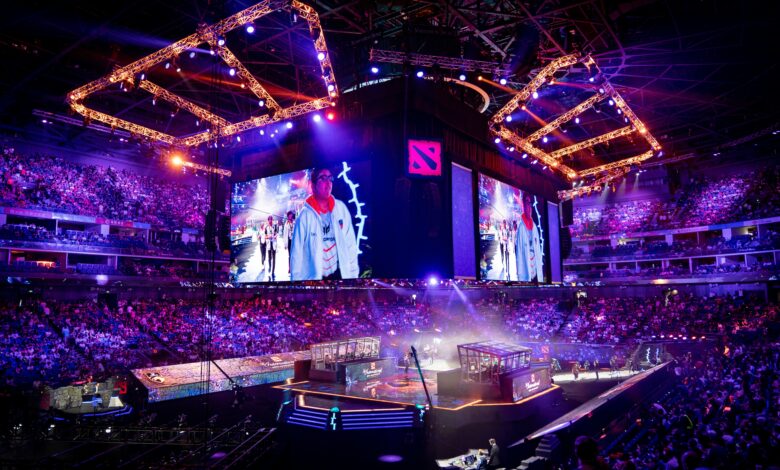
The transition of professional digital competitions from grassroots hobbyist gatherings into massive, multi-billion dollar athletic organizations represents one of the most significant shifts in the modern entertainment sector. As these leagues continue to draw tens of millions of concurrent viewers during marquee events, the underlying financial models supporting them have matured from basic ticket sales into complex, multi-tiered revenue generators that attract blue-chip partners.
This growth trajectory highlights a fundamental change in how global audiences consume content, moving away from passive television viewership toward active, participatory digital environments that reward high levels of engagement. Stakeholders in this industry must now consider a wide range of income channels, including exclusive broadcast agreements, tiered membership programs, and sophisticated digital product integrations that turn viewers into long-term financial contributors. The core of this transformation lies in the ability to leverage massive data sets regarding user behavior to create hyper-personalized experiences that keep fans locked into the league ecosystem for longer durations.
Advertisers are no longer satisfied with simple logos on a jersey; they now demand deep integration into the player journey, the tournament narrative, and the broader social fabric that binds the community together. As the technology supporting these broadcasts improves, the opportunities for interactive commerce—where a fan can buy an item seen on screen with a single click—are becoming the new standard for success. We are currently witnessing a period where the convergence of mobile connectivity, high-speed fiber networks, and cloud-based distribution creates a perfect environment for sustained growth without the need for traditional terrestrial infrastructure.
Ultimately, the successful monetization of these entities depends on the ability to cultivate an enduring brand identity that feels authentic to the core community while remaining accessible to corporate sponsors seeking mass-market reach. This transition into a robust, self-sustaining financial framework ensures that teams, league providers, and event hosts can continue to produce world-class entertainment that captures the attention of the global digital generation.
A. Strategic Sponsorships And Brand Partnerships

High-value brand partnerships represent the primary source of revenue for almost every major gaming league in the current market. By aligning with non-endemic brands like luxury automotive manufacturers or fintech firms, leagues can tap into funding pools that exist far outside the traditional gaming industry.
These partnerships often include naming rights for venues, featured segments during match broadcasts, and custom-branded digital items. A successful partnership provides the brand with direct access to a hard-to-reach younger demographic that is otherwise immune to standard commercial advertising.
Leagues must carefully select partners that add value to the viewer experience rather than disrupting it. When a sponsorship feels native to the content, it generates significantly higher conversion rates for the advertiser and increases the overall premium associated with the league brand.
B. Exclusive Media Rights And Digital Broadcasting
The sale of exclusive broadcasting rights to global streaming platforms has fundamentally changed the financial potential of gaming leagues. These long-term contracts provide a stable foundation of revenue that allows league operators to invest in higher-quality production and player development.
Leagues are increasingly adopting a “platform-agnostic” approach to distribution to maximize reach and engagement. By allowing multiple localized streamers and regional broadcasters to cover the action, the league can penetrate markets that a single platform might struggle to reach.
The use of multi-view broadcasts, where fans can choose their own perspective on the action, has further increased the value of these rights. Platforms are now competing to provide the most immersive experience, leading to higher bidding wars for these essential content packages.
C. Tiered Subscription Models And Fan Clubs
Implementing a tiered subscription model allows a league to capture recurring revenue directly from its most dedicated supporters. These plans often provide exclusive benefits such as ad-free viewing, early access to match tickets, and digital badges that differentiate top supporters from the general audience.
The introduction of private “digital clubs” allows fans to form smaller communities within the broader league ecosystem. These clubs can hold private virtual meet-and-greets with professional players or host community-driven tournaments that drive additional participation.
This direct-to-consumer relationship provides the league with valuable data regarding user preferences and spending habits. By nurturing these relationships, leagues can create a stable, loyal base that provides consistent revenue even during off-season periods.
D. Digital Collectibles And In-Game Asset Sales
The sale of virtual goods, such as “skins” for player characters or unique digital badges representing the league, has become a massive revenue driver. These items allow fans to express their loyalty and individual style while simultaneously funding the league’s operational costs.
When these assets are linked to specific player achievements or iconic moments in league history, their value as collectible items increases significantly. This “digital heritage” approach turns the league’s history into a tradeable commodity that fans are eager to own.
The marketplace for these assets must be highly secure and easy for the average user to navigate. By creating a frictionless path to purchase, leagues can convert casual viewers into active participants in the digital economy surrounding the sport.
E. Immersive Brand Activations And Physical Events
Physical events, such as championship tournaments held in major arenas, remain the “super-premium” tier of the league experience. These gatherings allow for high-ticket sales, massive merchandise turnover, and intense brand activation opportunities for sponsors.
Brands use these events to build elaborate “experience zones” where fans can interact with new products or test the latest hardware. This tangible connection between the digital sport and physical reality builds a lasting memory that reinforces brand loyalty.
The logistical complexity of these events is high, but the payoff in brand equity and ticket revenue is immense. A well-executed championship event acts as a powerful marketing tool that sustains interest for the entire following season.
F. Affiliate Marketing Through Player Personalities
Professional players act as the most influential “micro-celebrities” within the league ecosystem. By leveraging their personal channels to promote league-affiliated products or sponsor deals, the league can reach an audience that might not tune in to the main broadcast.
A structured affiliate program allows players to earn a commission on the sales they generate through their personal platforms. This incentivizes them to act as active promoters of the league’s products and partner brands.
When players genuinely endorse a product they use in their daily training, the audience is much more likely to trust and purchase that item. This synergy between player personality and commercial partnership creates a win-win scenario for all parties involved.
G. Betting And Real-Time Data Integrations
The integration of legal betting markets into the broadcast experience has provided a new layer of excitement for viewers. By displaying real-time odds and offering “micro-betting” opportunities on specific match events, the league can keep the audience engaged for the entirety of the broadcast.
This data-driven approach requires high-quality, low-latency statistics that can be updated in milliseconds. Selling this high-speed data feed to betting operators is a lucrative revenue stream that is highly consistent and measurable.
Leagues must maintain a strict focus on integrity to ensure that betting activities do not undermine the sport’s credibility. By partnering with reputable and regulated operators, the league can ensure a safe and transparent environment for all participants.
H. Education And Professional Training Initiatives
Creating a dedicated training path for amateur players—such as academies or coaching platforms—provides a way for the league to monetize its own expertise. Fans are often willing to pay for lessons or specialized “masterclass” content produced by the professional players they admire.
These platforms can also serve as a “scouting ground” for new professional talent, making them an essential part of the league’s long-term development. A strong academy system increases the overall quality of play, which in turn drives higher viewership.
This focus on development turns the league from a simple entertainment provider into a pillar of the community. It creates a path for fans to dream of becoming professionals, which is the ultimate form of long-term engagement.
I. White Label Technology And Infrastructure Services
Successful leagues have developed proprietary tools for match scheduling, player communication, and broadcast delivery. These “white label” software suites can be licensed to smaller leagues or regional organizers to help them get off the ground quickly.
Providing these backend services allows the major league to establish itself as the technical leader of the entire industry. It creates a secondary, highly profitable revenue stream that is focused on B2B software delivery rather than just content viewership.
As the industry matures, the standard of production required to be competitive increases significantly. By controlling the technology stack, the league ensures that the entire industry follows its standards for quality and presentation.
J. Merchandising And Lifestyle Brand Expansion
Competitive leagues are evolving into lifestyle brands that produce high-quality apparel and accessories. Fans want to display their loyalty to their favorite teams and players in their everyday lives, not just while watching a broadcast.
This move into retail allows for a high-margin revenue stream that operates independently of the tournament cycle. Limited-edition merchandise drops, particularly those designed in collaboration with streetwear icons, generate massive excitement and quick sales.
A strong lifestyle brand makes the league more resilient, as it connects with fans through their personal identity rather than just their entertainment consumption. This deep cultural integration is essential for turning a gaming league into a permanent fixture of popular culture.
K. Cross Platform Integration And Metaverses
The future of league monetization lies in creating a persistent digital space where fans can gather even when no matches are currently active. These “metaverse” hubs allow for virtual shopping, viewing parties, and interactive games that keep the league brand present in the user’s daily digital life.
By creating a persistent digital environment, the league can monetize the user’s presence throughout the week. This includes selling virtual real estate or hosting branded events within the digital world that would be impossible in the physical one.
The goal is to ensure that the league is a constant destination for the user rather than just a sporadic stop. This high level of interactivity creates an environment that is perfectly suited for long-term brand building and financial growth.
L. Data Analytics For Personalized Fan Experiences
Using predictive data analytics, leagues can determine exactly what content or product a fan is most likely to purchase next. This allows for highly targeted marketing campaigns that feel personal and relevant rather than intrusive.
For example, if a fan frequently purchases merchandise from a specific team, the system can automatically offer them a discount on that team’s future match tickets. This level of personalization significantly increases the probability of conversion.
The more data the league collects, the more valuable its advertising inventory becomes. By mastering the art of the data-driven user profile, the league becomes a must-have partner for any brand looking to target a specific consumer segment.
Conclusion

The monetization of competitive gaming leagues is a diverse and multifaceted financial endeavor. Exclusive broadcast rights have created a robust and predictable revenue foundation for professional organizations. Strategic brand partnerships now prioritize deep cultural integration over traditional display advertising methods. Subscription models provide the direct-to-consumer stability that every modern digital entity requires.
Digital collectibles are turning team history and achievements into highly valuable tradeable commodities. Physical events serve as premium platforms for intensive brand activation and high-ticket revenue generation. Data-driven analytics are transforming every viewer into a measurable and addressable market opportunity. Lifestyle branding allows organizations to remain relevant in the fan’s daily life beyond viewership. The future of this industry rests on persistent engagement and the creation of immersive environments.