


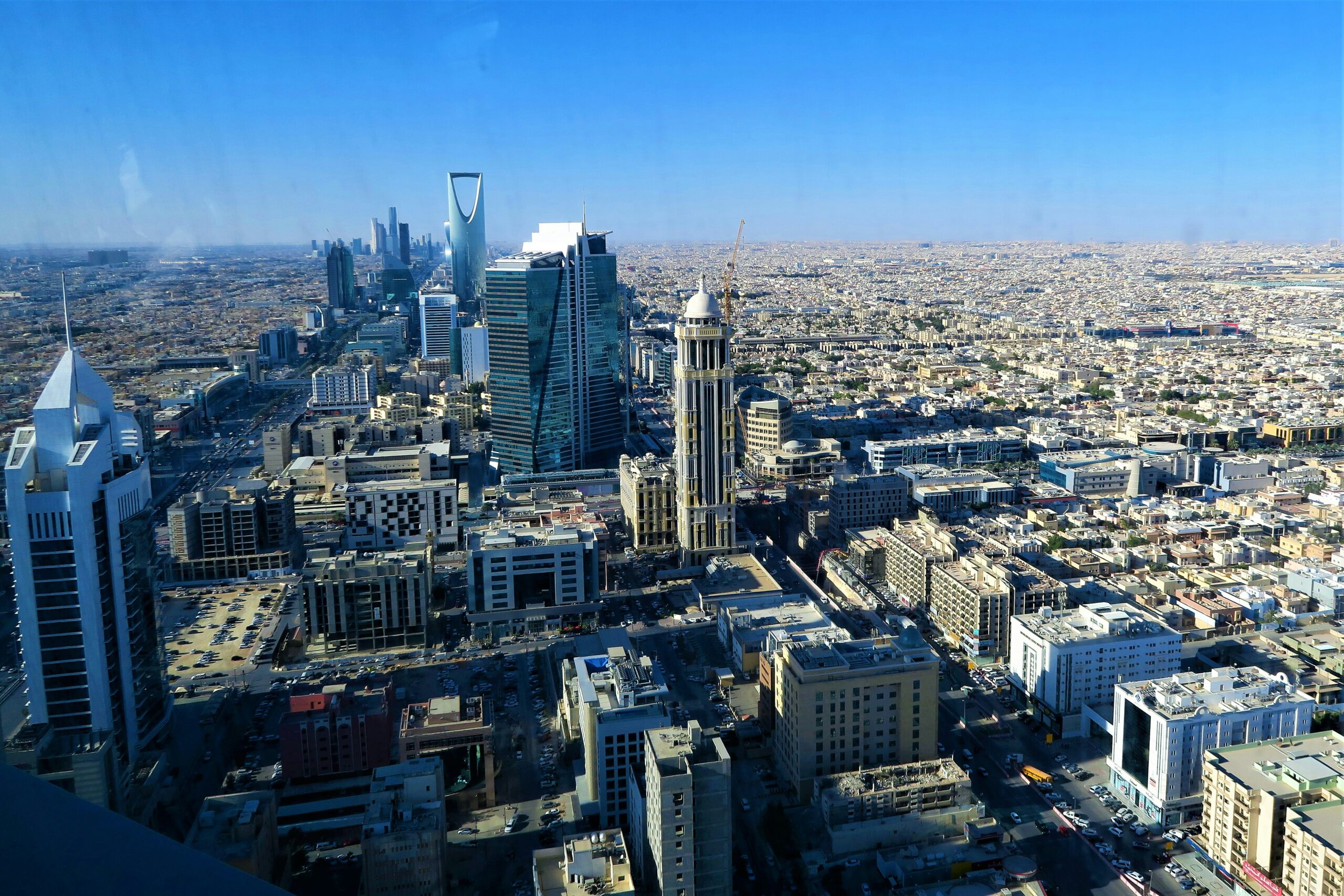
The landscape of professional competitive gaming is currently witnessing a tectonic shift as Saudi Arabia positions itself as the primary epicenter for the global esports industry. This monumental transformation is driven by a state-led initiative to diversify the national economy and create a sustainable hub for digital entertainment and high-tech innovation.
For decades, the heart of esports beat loudest in North America, Europe, and East Asia, but the sudden influx of multi-billion dollar investments from the Middle East has completely rewritten the rulebook. This strategic move is not merely about hosting tournaments; it is a comprehensive effort to build a vertical ecosystem that includes everything from game development and world-class infrastructure to elite professional teams.
As a hardware analyst and performance specialist, she has observed that this level of financial backing is unprecedented, allowing for the creation of events that push the boundaries of what is technologically possible. The scale of these investments is forcing global organizations to rethink their long-term strategies and align themselves with this new powerhouse.
We are entering an era where the competitive gaming circuit is being centralized through massive festivals and permanent gaming cities that provide a level of luxury and production value never seen before. This deep dive will explore how these strategic investments are disrupting the market, the specific projects leading the charge, and what the future holds for the world’s most talented digital athletes.
The Vision Behind the National Gaming Strategy

The backbone of this expansion is a comprehensive national strategy designed to turn the country into a global leader in gaming and esports. This isn’t just about spending money; it’s about creating a structured environment that fosters talent and builds a lasting legacy.
A. Analyzing the goal to create thousands of new jobs within the digital sector.
B. Utilizing the Public Investment Fund to acquire major global tournament organizers.
C. Investigating the creation of a local game development ecosystem for regional talent.
D. Assessing the impact of “Esports City” projects on local tourism and infrastructure.
E. Managing the integration of global professional teams into local leagues.
F. Evaluating the long-term sustainability of the state-funded competitive circuit.
G. Analyzing the role of female and youth participation in the new gaming era.
H. Investigating the geopolitical impact of becoming a central hub for digital sports.
By focusing on the entire value chain, from education to professional play, the strategy aims to contribute significantly to the national GDP. This holistic approach ensures that the investment creates a self-sustaining market rather than a temporary trend.
The Acquisition of Industry Giants: ESL and FaceIt
One of the most disruptive moves in recent history was the merger and acquisition of the world’s largest tournament organizers. This gave the Kingdom immediate control over the most important competitive platforms in games like Counter-Strike and Dota 2.
A. Analyzing the strategic merger to form the “ESL FaceIt Group.”
B. Utilizing the combined platform to standardize competitive integrity globally.
C. Investigating the impact of centralized control on the professional player circuit.
D. Assessing the benefits of high-budget production for major international majors.
E. Managing the relationship with existing game publishers and developers.
F. Evaluating the role of the “Pro League” structure in maintaining fan engagement.
G. Analyzing the shift in tournament locations toward the Middle Eastern region.
H. Investigating the improvements in server infrastructure and platform stability.
Owning these platforms allows for a level of coordination and financial stability that was previously missing in the “Esports Winter.” With a unified leadership, the industry can now focus on long-term growth rather than short-term survival.
The Esports World Cup: A New Global Standard
The introduction of the “Esports World Cup” has fundamentally changed the tournament calendar, offering the largest prize pools in the history of competitive gaming. This event acts as a “Grand Slam” for gaming, bringing together dozens of different titles under one banner.
A. Utilizing a multi-title format to attract fans from every gaming community.
B. Analyzing the impact of record-breaking prize pools on team financial stability.
C. Investigating the “Club Championship” model that rewards overall organizational success.
D. Assessing the production value and technological innovations used in the broadcasts.
E. Managing the logistics of hosting thousands of professional athletes in one city.
F. Evaluating the impact of the festival atmosphere on the “live” fan experience.
G. Analyzing the viewership metrics across traditional and social streaming platforms.
H. Investigating the role of celebrity and influencer integration in the event.
The scale of this event is designed to make it the “Olympic Games” of esports, happening annually to crown the best overall club in the world. This format encourages organizations to branch out into new games, further diversifying the competitive landscape.
Building the Qiddiya Gaming District
At the heart of the physical infrastructure is the Qiddiya Gaming District, a massive “gaming city” built from the ground up to support the digital lifestyle. This district will house permanent arenas, team headquarters, and retail spaces dedicated to gaming.
A. Utilizing high-speed, low-latency fiber networks across the entire district.
B. Analyzing the architectural design of specialized multi-purpose esports arenas.
C. Investigating the role of “Experience Centers” for casual and competitive fans.
D. Assessing the benefits of having permanent boot camp facilities for pro teams.
E. Managing the development of luxury residential units for resident gamers.
F. Evaluating the impact of the “Gaming District” on global gaming tourism.
G. Analyzing the integration of high-performance hardware stores and tech labs.
H. Investigating the future of “smart city” technology in the gaming environment.
Qiddiya is designed to be a place where professional gamers can live, train, and compete in the most advanced environment on earth. It represents a permanent physical commitment to the industry that transcends digital platforms.
Savvy Games Group and Game Development
Beyond just events, the creation of Savvy Games Group represents a massive investment into the creation of the games themselves. This move signals a desire to not only host the competitions but also own the intellectual property.
A. Analyzing the acquisition of major developers and publishing houses.
B. Utilizing investment capital to fund ambitious new AAA gaming projects.
C. Investigating the creation of specialized studios for the Middle Eastern market.
D. Assessing the impact of “mobile-first” strategies in emerging gaming regions.
E. Managing the balance between artistic creativity and commercial success.
F. Evaluating the role of AI and cloud computing in future game titles.
G. Analyzing the expansion into casual and “lifestyle” gaming segments.
H. Investigating the potential for “esports-ready” games built from the ground up.
By owning the developers, the Kingdom can ensure that future games are optimized for competitive play and high-level broadcasting. This creates a closed-loop ecosystem where the games, the players, and the tournaments are all supported by the same vision.
Educational and Collegiate Pathways
To ensure the long-term success of the national strategy, there is a heavy focus on education and the development of local talent. This includes university programs and specialized academies for gaming-related careers.
A. Utilizing university partnerships to offer degrees in esports management.
B. Analyzing the success of grassroots tournaments in identifying young talent.
C. Investigating the role of “Academy” programs in training the next generation.
D. Assessing the impact of vocational training for broadcasting and production.
G. Managing the perception of gaming as a legitimate and high-value career path.
H. Evaluating the role of scholarships for elite gamers and tech students.
The goal is to build a workforce that can handle every aspect of the industry, from coding and design to marketing and event management. This ensures that the investment benefits the local population and creates a diverse range of career opportunities.
Hardware Innovation and Regional Tech Hubs
The influx of capital is also driving a demand for the absolute best hardware, leading to the creation of regional tech hubs. These facilities focus on the latest GPU and CPU performance, ensuring the Middle East has the fastest servers in the world.
A. Analyzing the deployment of ultra-low-latency server clusters for the region.
B. Utilizing liquid-cooling and advanced thermals in desert-based data centers.
C. Investigating the partnership with global hardware giants like NVIDIA and AMD.
D. Assessing the benefits of “local” hardware manufacturing and assembly.
E. Managing the power requirements for massive, high-performance gaming hubs.
F. Evaluating the role of 5G and 6G in mobile competitive gaming.
G. Analyzing the impact of “specialized gaming silicon” on local performance.
H. Investigating the future of “cloud-native” esports driven by regional servers.
Having the hardware infrastructure locally reduces the “ping” for millions of players in the region, making them more competitive on the global stage. It also makes the Middle East an attractive location for game servers and cloud computing companies.
The Social and Cultural Evolution of Gaming
The investment is also having a profound effect on the culture of the region, where gaming is becoming a primary form of social interaction and entertainment. This shift is especially visible among the youth and female populations.
A. Analyzing the growth of female-only esports initiatives and tournaments.
B. Utilizing gaming as a tool for social cohesion and community building.
C. Investigating the change in parental perceptions regarding gaming as a hobby.
D. Assessing the impact of “Gaming Cafes” on local youth culture.
E. Managing the balance between global gaming culture and local values.
F. Evaluating the role of influencers in driving the national gaming narrative.
G. Analyzing the participation rates of the population in casual gaming events.
H. Investigating the psychological benefits of a structured gaming ecosystem.
Gaming is providing a new platform for creative expression and social engagement in the region. By creating a safe and professional environment, the strategy is allowing millions to pursue their passion for gaming in a legitimate way.
Conclusion

The massive investment from Saudi Arabia has undeniably altered the trajectory of the global esports industry. This strategic centralization is providing much-needed financial stability to a previously fragmented market. The acquisition of organizers like ESL ensures a high-quality and consistent experience for fans worldwide. The Esports World Cup has set a new benchmark for what a major gaming festival should look like. Physical projects like Qiddiya show a long-term commitment that goes far beyond the digital realm.
Investing in game development ensures that the future of the industry is built on a solid foundation. Education and talent development are creating a new generation of skilled professionals in the digital space. Advanced hardware and server infrastructure are making the region a global leader in performance. The social impact of these investments is fostering a vibrant and inclusive gaming culture for everyone.
Global teams and organizations are increasingly looking toward the Middle East as the future of competition. This transformation is creating a “Gold Standard” for how countries can support the digital entertainment sector. The economic diversification provided by esports is a vital part of the nation’s future vision. Ultimately, the goal is to create a world where esports is recognized as a premier global sport.