The economic architecture of the professional gaming world is currently undergoing a massive structural shift that is moving organizations away from their historical over-reliance on traditional sponsorship deals. For years, the survival of even the most elite teams was tied directly to the marketing budgets of hardware manufacturers and energy drink brands, creating a fragile ecosystem susceptible to global economic fluctuations.
However, as the industry matures, savvy organizations are now functioning more like diversified technology and media conglomerates rather than just competitive sports clubs. This transition is being driven by the need for sustainable, long-term growth and the realization that a loyal fanbase is a goldmine for direct-to-consumer digital products and unique lifestyle experiences.
We are seeing a new era where “intellectual property” is the most valuable asset a team can own, allowing them to monetize their brand across multiple platforms without needing a middleman. As an expert in the hardware and performance space, she has noticed that the most successful teams are those that integrate their competitive excellence with sophisticated digital economies.
This guide will explore the revolutionary revenue streams that are currently stabilizing the esports market and providing the capital necessary to fuel the next generation of professional talent. By understanding these new financial pillars, organizations can move from a state of survival to one of thriving innovation in an increasingly crowded digital landscape.
The Digital Goods and In-Game Item Revolution

One of the most significant breakthroughs in esports history has been the direct integration of team-branded assets into the game engines themselves. This creates a symbiotic relationship where the developer, the team, and the fan all benefit from a single transaction.
A. Analyzing the success of limited-edition weapon skins and character outfits.
B. Utilizing “Sticker Capsules” and team-specific charms to drive micro-transactions.
C. Investigating the revenue-sharing percentages between publishers and organizations.
D. Assessing the impact of “Battle Pass” inclusions for seasonal team rewards.
E. Managing the design process to ensure skins appeal to the broader player base.
F. Evaluating the long-term value of “Legacy” digital items in secondary markets.
G. Analyzing the psychological connection fans feel when using team gear in-game.
H. Investigating the potential for team-branded map locations or interactive emotes.
In-game items provide a high-margin revenue stream that requires almost zero physical inventory management. When a fan buys a digital jersey for their character, the profit is split between the team and the publisher, providing a steady flow of “passive” income. This model has proven so successful that it is now a mandatory requirement for teams joining major franchised leagues.
The Content House and Media Production Model
Teams are no longer just competing; they are full-scale media houses producing daily entertainment for millions of viewers. By shifting focus toward content creation, organizations can monetize their players’ personalities through various video platforms and streaming services.
A. Utilizing “Behind the Scenes” documentary series to build emotional fan loyalty.
B. Analyzing the ad revenue generated through multi-channel YouTube networks.
C. Investigating the profitability of “Reaction” content and variety streaming.
D. Assessing the impact of “influencer” signings who focus purely on content.
E. Managing the balance between rigorous practice schedules and filming requirements.
F. Evaluating the role of “Short-form” video snippets for rapid social growth.
G. Analyzing the potential of selling media rights to regional television networks.
H. Investigating the use of AI to automate the editing of match highlights.
Content houses allow organizations to stay relevant even during the “off-season” when there are no major tournaments. By building a roster of charismatic creators, the brand remains in the public eye 24/7, driving consistent traffic to their sponsors and digital stores. This shift turns a team from a seasonal competitor into a perennial entertainment powerhouse.
Subscription-Based Fan Memberships and Private Communities
The move toward “Private” fan experiences is a growing trend that mimics the Patreon or OnlyFans model but tailored for gaming enthusiasts. These platforms offer exclusive access in exchange for a monthly fee, creating a predictable and recurring revenue stream.
A. Utilizing Discord servers with “Supporter-only” voice and text channels.
B. Analyzing the demand for pro-led masterclasses and coaching sessions.
C. Investigating the value of “Early Access” to merchandise drops and event tickets.
D. Assessing the impact of “Pro-AM” tournaments where fans play with their idols.
E. Managing the community moderation to maintain a premium, toxic-free environment.
F. Evaluating the potential for private “Behind the Scenes” live streams.
G. Analyzing the data insights gained from direct communication with the core fans.
H. Investigating the role of decentralized “Fan Tokens” in community governance.
Membership programs turn casual viewers into “invested” stakeholders who feel a sense of ownership in the team’s success. This direct-to-consumer relationship bypasses the volatility of social media algorithms and ensures that the team’s most loyal followers are always reached. It is the ultimate tool for building a recession-proof financial foundation.
High-Performance Hardware and Peripheral Collaborations
Given their expertise in peak performance, many organizations are now co-developing hardware products. This goes beyond just putting a logo on a mouse; it involves engineering specific tools that the pros actually use to win.
A. Utilizing co-branded mechanical keyboards with specialized team switches.
B. Analyzing the profit margins of “Signature Series” gaming mice and pads.
C. Investigating the development of specialized “Esports Grade” audio solutions.
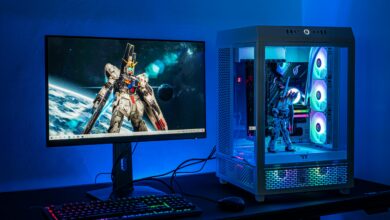
D. Assessing the benefits of custom PC builds optimized for specific game titles.
E. Managing the quality control to ensure products meet “Pro-spec” standards.
F. Evaluating the role of limited-edition hardware “drops” to create FOMO.
G. Analyzing the feedback loop between pro players and R&D engineers.
H. Investigating the expansion into “Gaming Supplements” and physical health gear.
Hardware collaborations leverage the team’s “seal of approval” to sell high-ticket items to aspiring players. When a fan sees their favorite sniper using a specific mouse, they are much more likely to purchase that exact model. This turns the team’s competitive research and development into a marketable commodity.
Lifestyle Apparel and High-Fashion Partnerships
The “Esports Jersey” is being replaced by high-end streetwear that people can wear comfortably in everyday life. Teams are partnering with luxury brands and famous designers to create clothing that transcends the gaming world.
A. Utilizing “Streetwear” aesthetics to appeal to non-gaming fashion audiences.
B. Analyzing the success of “Capsule Collections” with high-fashion houses.
C. Investigating the role of “Influencer” seeding in the fashion world.
D. Assessing the profit margins of premium hoodies, jackets, and accessories.
E. Managing the logistical challenges of global e-commerce and shipping.
F. Evaluating the impact of “Pop-up” shops at major physical esports events.
G. Analyzing the move away from heavy “Sponsor-plastered” clothing designs.
H. Investigating the use of sustainable and recycled materials in team apparel.
Fashion is a powerful tool for brand identity, allowing a team to become a “cool” symbol even to people who don’t watch their matches. A successful apparel line can often generate more revenue than tournament prize money, especially when the designs are subtle enough for daily wear. This trend is turning esports organizations into legitimate rivals to traditional clothing brands.
White-Label Tournament and Event Services
Many established teams have years of experience in producing high-quality gaming events. They are now selling this expertise to non-endemic brands who want to enter the space but don’t know how to run a tournament.
A. Utilizing the organization’s production staff to run corporate gaming events.
B. Analyzing the revenue from “White-Label” league operations for third parties.
C. Investigating the demand for specialized “Esports Consulting” services.
D. Assessing the profitability of renting out team facilities for bootcamps.
E. Managing the talent agency side of the business for casting and hosting.
F. Evaluating the role of “Broadcasting” packages for collegiate esports.
G. Analyzing the efficiency of proprietary “Tournament Management” software.
H. Investigating the expansion into physical “Gaming Lounges” and arenas.
By acting as a service provider, teams can monetize their internal infrastructure and staff during down periods. This “Business-to-Business” (B2B) model is incredibly stable and allows the organization to build relationships with major global corporations. It turns the organization’s operational knowledge into a highly valuable professional service.
Data Analytics and Scouting Intelligence
The data generated during professional matches and practice is a goldmine for betting companies, broadcasters, and other teams. Some organizations are now developing and selling proprietary data tools.
A. Utilizing AI-driven performance metrics to evaluate amateur talent.
B. Analyzing the market for selling “Scouting Reports” to other organizations.
C. Investigating the role of “Real-time” data feeds for sports betting platforms.
D. Assessing the value of historical performance data for broadcast analytics.
E. Managing the privacy of individual player data while monetizing the trends.
F. Evaluating the development of “Coaching Software” as a retail product.
G. Analyzing the impact of “Predictive Modeling” on match-fixing prevention.
H. Investigating the use of player biometrics for health and performance tracking.
Data is often called the “new oil,” and in esports, this is especially true. Teams that can accurately predict player growth or identify hidden weaknesses in opponents have a commodity that is worth millions. Selling these insights to the broader ecosystem is a sophisticated way to monetize the intellectual labor of the coaching staff.
Educational Programs and Collegiate Pathways
As esports becomes a legitimate career path, there is a massive demand for education. Top teams are now creating “Academies” and certified courses to teach the next generation how to play, manage, and produce esports.
A. Utilizing the “Academy” model to develop and sell talent to other teams.
B. Analyzing the revenue from online “Pro-certified” coaching courses.
C. Investigating partnerships with universities for “Esports Degree” programs.
D. Assessing the impact of “Summer Camps” for aspiring young gamers.
E. Managing the curriculum to ensure it stays relevant with current game metas.
F. Evaluating the role of “Certification” in legitimizing the esports workforce.
G. Analyzing the social impact of providing scholarships through team programs.
H. Investigating the demand for “Parental Guides” to the esports industry.
Education creates a sustainable pipeline of talent while generating revenue from students and parents. By positioning themselves as the “Harvard” of gaming, an organization can charge a premium for their knowledge. This also helps professionalize the industry, ensuring that future employees are well-trained and capable.
The Strategic Value of Real Estate and Boot Camp Facilities
Owning the physical space where gaming happens is becoming a major asset for teams. These facilities are being used for more than just practice; they are becoming event spaces and tourist destinations.
A. Utilizing “State-of-the-Art” facilities to attract the world’s best players.
B. Analyzing the revenue from “Fan Tours” and physical museum spaces.
C. Investigating the profitability of hosting other teams for paid bootcamps.
D. Assessing the impact of “On-site” merchandise stores and cafes.
E. Managing the high overhead costs of premium urban real estate.
F. Evaluating the role of “LAN Centers” as community hubs for local fans.
G. Analyzing the potential for “Mixed-use” developments including gaming and living.
H. Investigating the use of solar and green energy to reduce facility costs.
A physical headquarters serves as a tangible symbol of a team’s power and stability. It provides a controlled environment for content creation, sponsor activations, and professional development. For fans, visiting a team’s facility is a “pilgrimage” that deepens their emotional connection to the brand.
Conclusion

The evolution of revenue streams for professional organizations is a sign of a maturing and resilient industry. We are moving away from a model of dependency toward one of self-sustaining innovation and brand power. Digital goods and in-game integrations have proven to be the most efficient way to monetize a global audience.
By transforming into media entities, teams ensure they remain relevant regardless of their tournament standings. Direct-to-consumer memberships provide the financial stability needed to survive periods of economic uncertainty. Collaborations in hardware and fashion allow teams to influence the lifestyle and culture of their fans.
Selling professional services and consulting helps teams diversify their income and build B2B relationships. The monetization of data and scouting intelligence represents the intellectual pinnacle of the modern gaming organization. Education and collegiate programs are securing the future of the workforce while generating consistent revenue today. Investing in physical real estate provides a permanent home for the brand and a destination for its community.
The successful teams of the future will be those that can master the balance between winning matches and running a business. This structural shift is necessary to ensure that professional gaming can continue to grow for decades to come. Ultimately, the goal of these new revenue streams is to empower the players and provide the best possible experience for the fans.